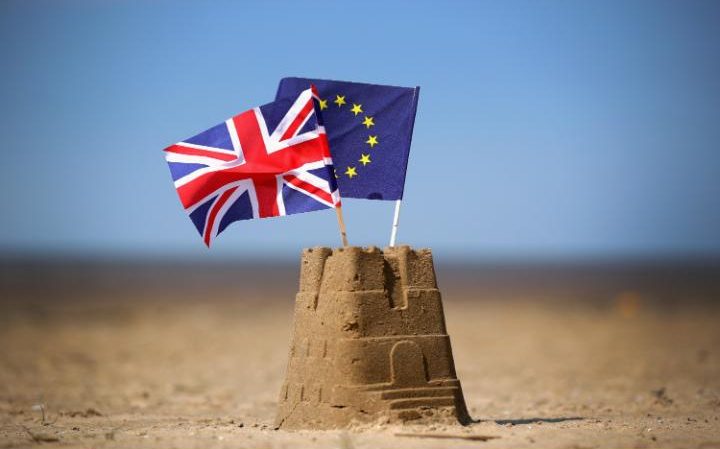

The story so far
Since the EU referendum result in June last year there has been no shortage of headlines pondering whether the UK econony is going to hit the buffers when we finally leave the EU, probably in 2020.
But not everyone is panicking or convinced by the doomsday scenarios being predicted.
According to a MORI poll carried out just after the EU Referendum for the Sunday Telegraph a majority of Britons weren't worried by Brexit. And 75% expected their personal wealth to remain constant while 60% intended to bag the big ticket items they were planning to buy before the vote.
So will Brexit batter our bank accounts as the negotiations to leave the EU progress?
Going abroad on holiday
The most high-profile change since Brexit has been the fall of the pound. If you are holidaying in Europe or USA you will notice a big difference in exchange rates.
At the time of writing, you will receive around 9 Euros or 12 Dollars less per £100 compared to before the EU referendum when you exchange your cash. If you didn't pre-pay your hotels when you booked your holiday you will be paying more.
Property prices and rent
Before the referendum there was a huge amount of speculation about how a Brexit vote would affect the housing market. Then Chancellor of the Exchequer, George Osborne, predicted an 18% drop in house prices should Britain vote to leave the EU. At the moment they are rising by approximately 6% year on year, according to the Land Registry.
It may take many months for any impact to be felt but, as demand still far outstrips supply, it is highly unlikely there will any significant change in the property market for the foreseeable future.
Interest rates
The Bank of England's Monetary Policy Committee meets regularly and decides whether to raise or lower the interest rate. The signs immediately following Brexit, was the economy hadn't slowed enough to warrant an adjustment. But then in August last year the Bank of England cut its rates from 0.5% to 0.25%. Borrowing money is now cheaper but savers will see lower returns of their savings.
Food and fuel prices
What has happened to the pound in your purse since Brexit? Well, petrol prices have risen by a couple of pence but that is only continuing the trend of the previous five months.
Food prices were predicted to rise and this is now coming to pass as supermarkets and their suppliers try to offset higher prices for imported food.
Pensions
The perceived impact of Brexit on pensions is, like most other issues, dependent on the newspapers or websites you choose to read.
The pension deficit has definitely increased with annuity rates being cut; again a trend that was apparent before the vote. On the other hand Defined Benefit values look to have risen which means an individual’s pension pot may have increased.
The ambiguity over pensions is mirrored wherever you look in regards to personal finances as well as the economy as a whole. The full impact of Brexit, for good or bad, will not be fully revealed until months down the line.
Until then, you should monitor the financial pages carefully but don't make rash decisions like emptying your bank account or selling a house at a loss until things become much clearer.
Remember, CreditLadder can help you improve your credit score.
CreditLadder can improve your credit position by reporting your rent payments. CreditLadder is the first way to improve your credit score and position across all three of the main Credit Reference Agencies in the UK, namely Experian, Equifax and TransUnion. Building up a high credit score has a lot of benefits, including helping you access finance at better rates - this can also help save you money. CreditLadder also runs a free mortgage application service in partnership with Tembo which will tell you how much you could borrow.
Remember the content provided in this article is for information purposes only and should not be considered as advice.