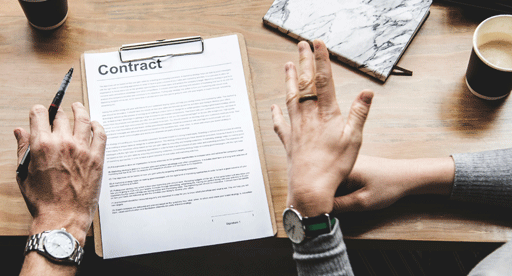

Everyone needs legal help to move home. There is no DIY option when it comes to conveyancing, which is the name give to the legal process of buying a property.
It’s essential therefore to line up a solicitor/conveyancer so that once your offer on a property has been accepted, you are ready to go.
First of all, let’s look at the different types of conveyancer available. These are:
Local ones;
An agent’s in-house or recommended service
Big national online firms
Local firms are easy to find on the local high street or via local listings and there is an argument that these can be ideal because they know the local estate agents and also the surrounding area and its property market.
For example, a local legal firm may have worked on the sale of a house very similar to the one you’re buying on the same street, so they’ll know - literally - the lay of the land.
Some larger estate agency chains will often refer you to their in-house conveyancing team or a ‘recommended’ conveyancing firm. But beware - they are not always as competitive as other legal firms.
Several large online conveyancing firms have sprung up recently that operate from large offices and, via both email and telephone helplines, enable buyers to complete the transaction online. Search via Google for ‘online conveyancing’ and you’ll see there are half a dozen offering their services.
These big online companies are fixed-price services and they are fine if your buying process turns out to be straightforward and the property is a ‘standard’ one. But if things do go wrong - for example if there is a major problem with the Local Authority Searches or an extension does not having planning permission - they may be less suitable.
Prices
Depending on the kind of property involved and the level of service required, the cost of using a conveyancer ranges from approximately £350 to £1,500 although on average it’s approximately £500. This is excluding the the cost of Local Authority Searches searches, which can cost up to £150.
The most affordable tend to be the big online ones which, on the plus side, often don’t charge you if the purchase falls through. This is important; around a third of purchases fail every year, according to consumer organisation Which?.
Once you have signed up a conveyancer to handle your purchase, read our comprehensive guide to what they do for the money.
How much does it cost to buy a home?
The legal fees are just one of several hefty bills we all pay when buying a property. Here is an illustrative example of a standard £250,000 house being bought by a first time buyer.
25 Acacia Avenue, Mount Pleasant Green
Deposit: £25,000 (10%)
Valuation fee: some lenders charge £150 to send a surveyor out to value a home.
Conveyancing costs: £700 include search fees.
Mortgage arrangement fee: These days many lender charge an up-front fee to arrange your mortgage: £1,000 on average.
Removal van costs: £400 but more if they do the packing for you.
Stamp Duty: £0 (only properties over £300,000 attract stamp duty if you’re a first time buyer)
Total: £27,250
Top Tip: Many new homes builders offer promotional deals for properties that pay either the stamp duty bill or the legal fees, and if they are desperate enough to sell units, both!
Remember, CreditLadder can help you improve your credit score.
CreditLadder can improve your credit position by reporting your rent payments. CreditLadder is the first way to improve your credit score and position across all three of the main Credit Reference Agencies in the UK, namely Experian, Equifax and TransUnion. Building up a high credit score has a lot of benefits, including helping you access finance at better rates - this can also help save you money. CreditLadder also runs a free mortgage application service in partnership with Tembo which will tell you how much you could borrow.
Remember the content provided in this article is for information purposes only and should not be considered as advice.